
OM Kunche Farmhouse -Learnings on Agroforestry, Persistence and Collective Growth
Timeline: 2019-present
Farm Size: 4 acres
Key Learnings: Agroforestry + integrated farming system + model farm + strategic use of government schemes
A thought of going back to hometown and few posts from social media related to farming prompted Rajshekar Kunche to leave his private majdoori in silicon city and return back to historically important place of Deccan Sultanate- Kamathana, a village in Bidar district. During continuous exploration of social media. Rajshekar Kunche’s brief stay in Bangaluru in the year 2019, he got introduced to progressive farmer named Smt. Kavitha Mishra of Raichur. A well known progressive farmer across Karnataka, her practice of agro-forestry and integrated farming system (IFS), is studied & discussed in farming circle like Farm Universities across Karnataka state, farmer organisations, NGO’s and many different organisations even today. (Background - Kavitha Mishra is an engineering graduate turned farmer. Marriage and family responsibilities made her to choose different career path, pushing her towards farming). I got to know more about Kavitha Mishra works and farming journey during my college days. Viewing her farming related videos, talks, speeches on YouTube and visit to her farm, added extra push to his eagerness to leave Bengaluru and start farming. During his six months stay in Bengaluru, he explored different videos related to farming, forestry, horticulture and animal husbandry, which helped him in preparing and doing his homework before coming to Kamathana.
Rajshekar Kunche father Sant Ram Kunche-(reminded me of the protagonist from the novel SHANTARAM by Gregory David Roberts) Sant Ram Kunche worked as a mason, he was sharing his memory about the houses he has built across Bidar. Now he is retired to his farm and takes care of the farm and livestock, his son asks him not to go back to masonry. Not much conversation has happened with Sant Ram Kunche - in coming visits we will be spending some time with him, I think he seems to be an interesting person with many stories to narrate of the place, people, farming and his practice of masonry.
Coming back to Rajshekar Kunche, during his exploration of social media, he explored all the schemes of state and central government, which can be availed by individuals to establish farm or allied businesses. Kya sach mein log schemes aur subsidies avail kar rahe hai? Agar kar rahe hai toh kaun kar rahe hai? some thoughts occured to me during conversation with Raj. One thing which interested me was his information on all the schemes which he has used to start and establish his farm, MGNREGA schemes, drip irrigation scheme, diary shed scheme, Krishi Aranya Protsaha Yojane by Karnataka Forest Department, PMEGP by Central Govt and different schemes under Gram Panchayat. During conversations with Raj he said that "We (Scheduled Caste) need to fight for availing any loans or subsidies, as officials refuses to give loans because people from Scheduled Caste are dependent on subsidies and do not do any developments after taking subsidies and don’t pay back loans”.
In my second visit to his farm, Raj mentions that its our constitutional rights to avail all the benefits and schemes. He mentions categorically that after availing subsidies or schemes we should do development in the farm or any business. So, that banks and department gets confidence and sanction more loans or schemes. He raises the concern that our people are not aware of the schemes and subsidies. During covid under his trust named Buddha Basava Ambedkar Youth Group. The organisation conducted awareness programme in villages about government schemes and subsidies. He says more such awareness programmes are needed. So, that Scheduled Caste takes benefits of welfare schemes. When enquired on how? - he got to know about schemes. He mentions after coming back to his village, he visited all the government offices, spoke and enquired to officers about different schemes and subsidies, got the related documents and availed the benefits of different schemes and subsidies. Kaise hum end user ko reach kar sakte hain?-this question keeps popping out during conversation with Vinay Malge.
Going into details of schemes availed by Raj Kunche for establishing his farm are as follows digging of pit and planting of forest tree saplings are done under MGNREGA (Mahatama Gandhi National Rural Employment Guarantee act) scheme, cattle shed at his farm is also built under MGNREGA scheme, goat shed and vermi-composting structure built under schemes of Gram Panchayat.
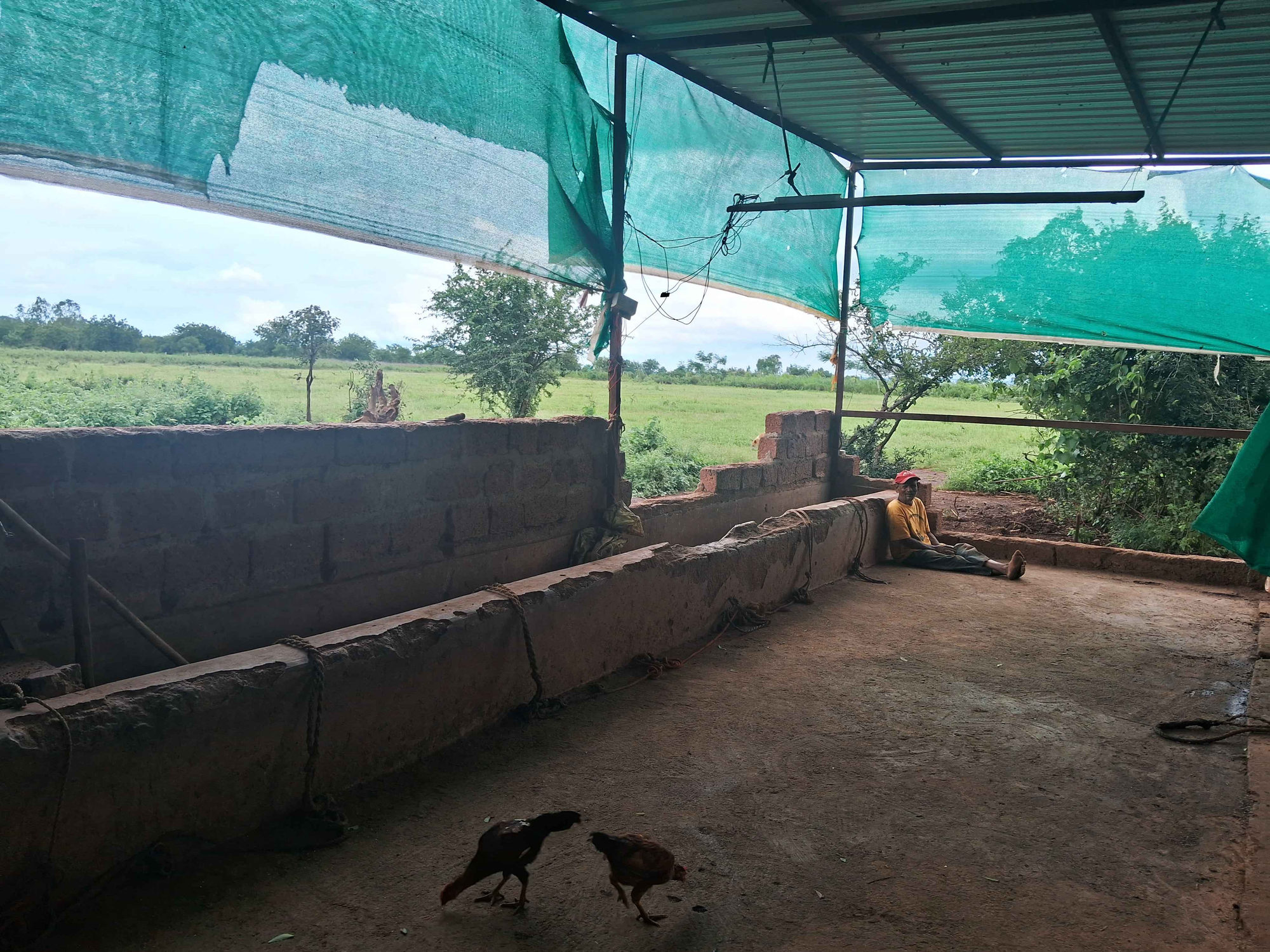
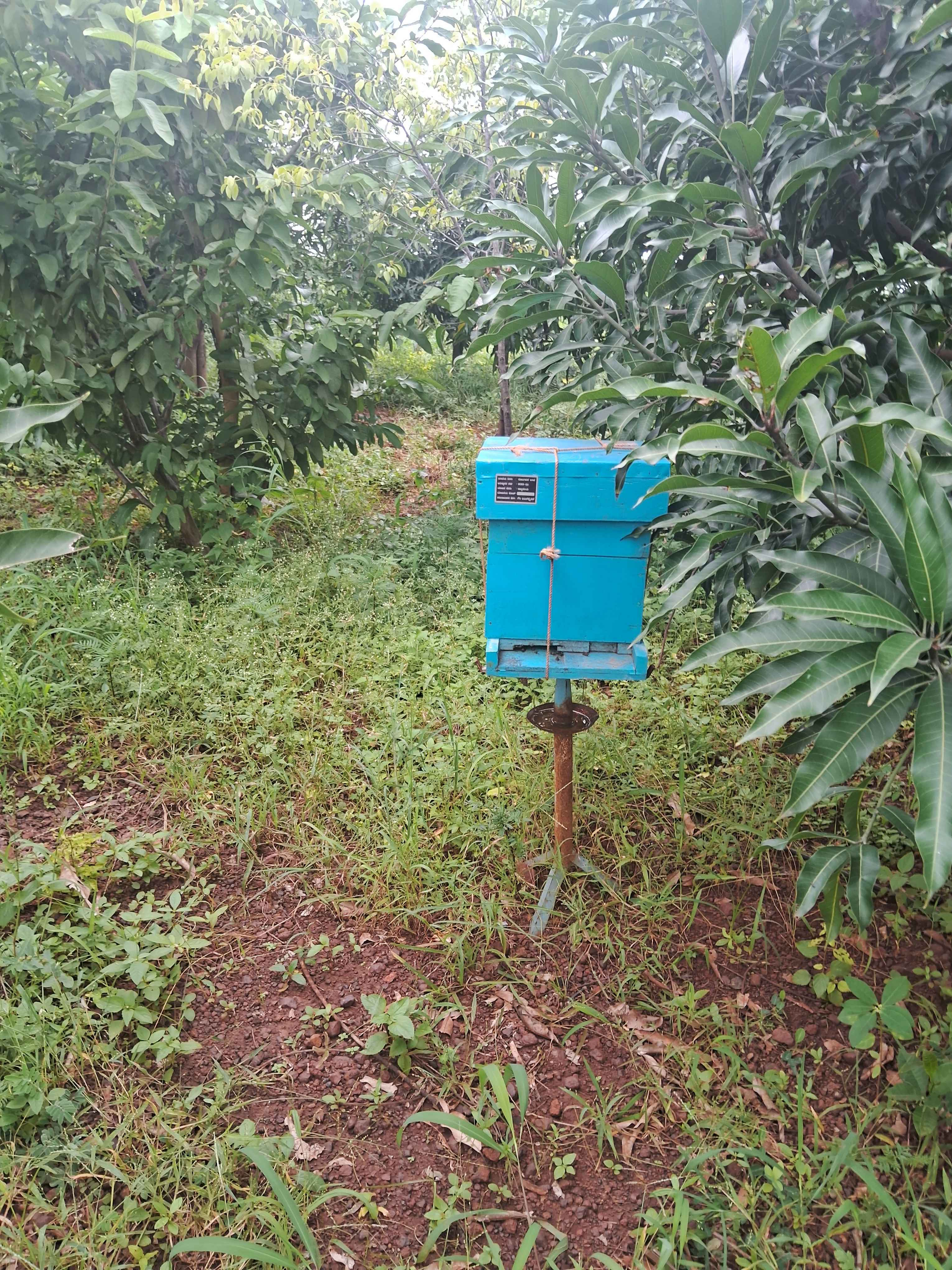
Forestry tree saplings and maintenance amount for three years are provided by forest department under the scheme of Krishi Aranya Protsaha Yojane. Farm machinery like rotavator are availed under the schemes of agriculture department where state government provides subsidies to buy agriculture machinery. Honeybee rearing box at his farm brought under honeybee rearing scheme of Horticulture department scheme, where 50 percent subsidy is provided to buy the honeybee box and with each box they provide one queen bee. Under the PMEGP (Prime Minister Employment Generation Programme) scheme availed loan amount of ten lakhs for further investments into the farm. After many meetings, discussions and perseverance with officials and departments, Raj Kunche availed the schemes and programmes, which inturn helped in establishing the farm. ****
Journey of establishing a agroforestry farm By-Rajshekhar Kunche-Documentry Clip By My Nature India.
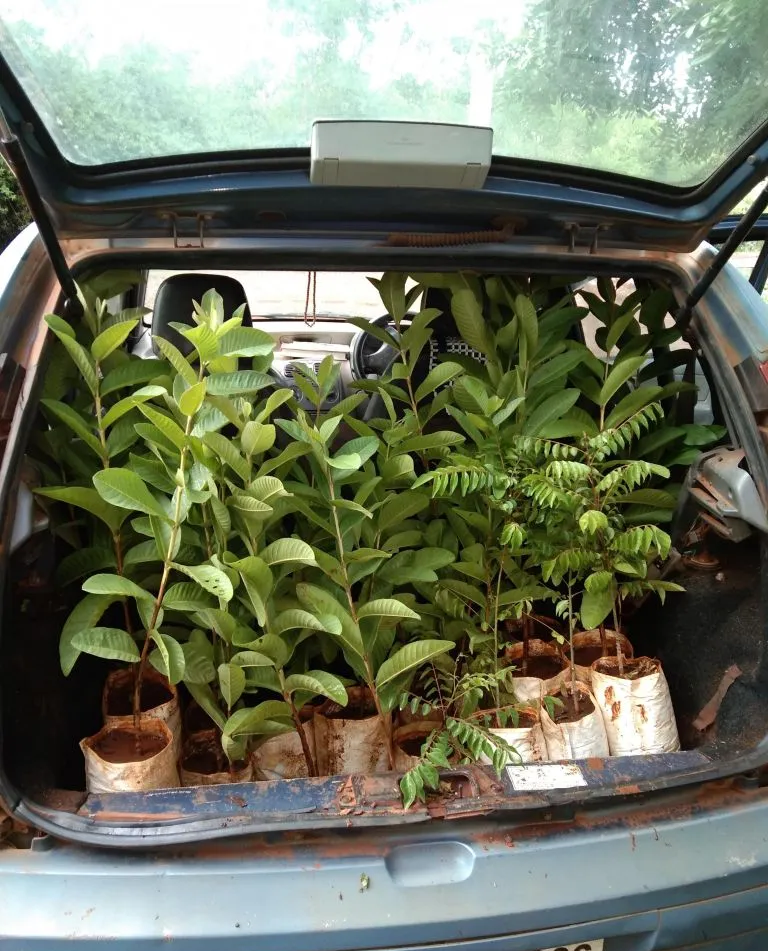
At the start of plantation in his farm, there was no electricity connectivity and no irrigation source. Immediately after planting, rainfall was the only source of water to the saplings. Post monsoon they watered individual plants with buckets and bottles through tank water from a nearby water sources like dabris, seasonal streams and well. In the summer of 2019-20 under Ganga Kalyan Yojana scheme he got borewell drilled at his farm. Which now has become one of the major source of irrigation to his farm. Sometimes draws water from nearby round laterite cut well. Is Agroforestry possible in rain dependent area?. During our conversation he mentioned that most of subsidies and schemes are availed by close aides of local representatives. While browsing through his phone, he showed a image of car and tree saplings. He mentioned this how he transported the saplings from forest nursery to his farm.
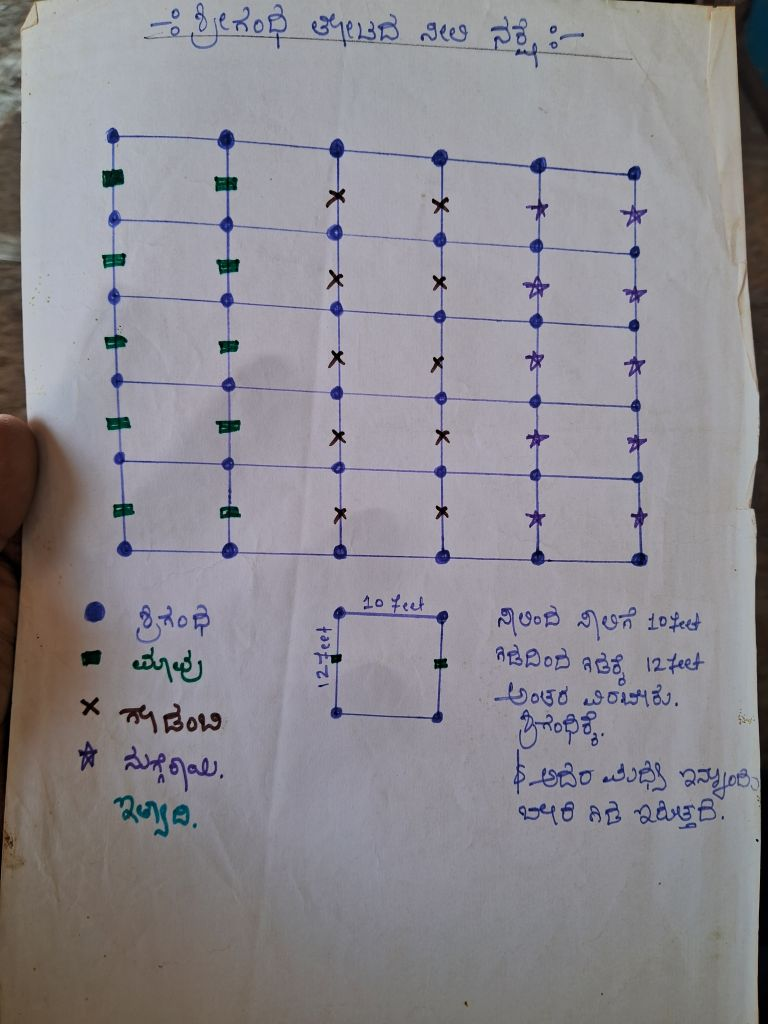
On enquiring about the layout/markout of the farm, he showed a handmade sketch done by him before planting of the saplings. Layout/markout is important and a difficult task from my understanding. I really liked Raj’s ability to try and his self confidence nature. The sketch contained pit location and distance between plant saplings from row to row and column to column, it also contained no of saplings to be planted and sequence of saplings. He mentions all this was on trial basis, have been improvising over the years based on his observations and self learning. On probing on labourers used along this while. He and his father comments that all work is done by family members. If we hire people for work, the work will not happen in desired way. So, from last four years no workers were hired. Now we are experienced in pitting, planting and maintenance of farm. This experience will be used in establishing another farm, adjacent to his older farm, Raj mentions.
Coming to farm details - farm size is 4 acre, water source for the farm is borewell, farming model adopted in his field is agro-forestry in combination with Olericulture (vegetable farming) eg: Tomato for 3 months, next 3 months chilli, 4 months marigold and watermelon in Zaid-(Farming activities carried out during the months of April to May or Summer). These farming months are called as Zaid. He mentions that olericulture he has started from last 2 years to sustain his farm expenses and income. In agro forestry sapling planted are as follows Jamun, Chandan, Hebbavu, Mahagony, Sitaphal, Guava, Bamboo, Cashew, Nimbu, Drumstick, Curry leaves, Mango, Pomegranate, Sapota, Jackfruit, Amla (Beted Amla), Fig, Ber, Coconut and Native trees like Neem and wild shrubs. Total number of saplings planted in the farm are 1500.
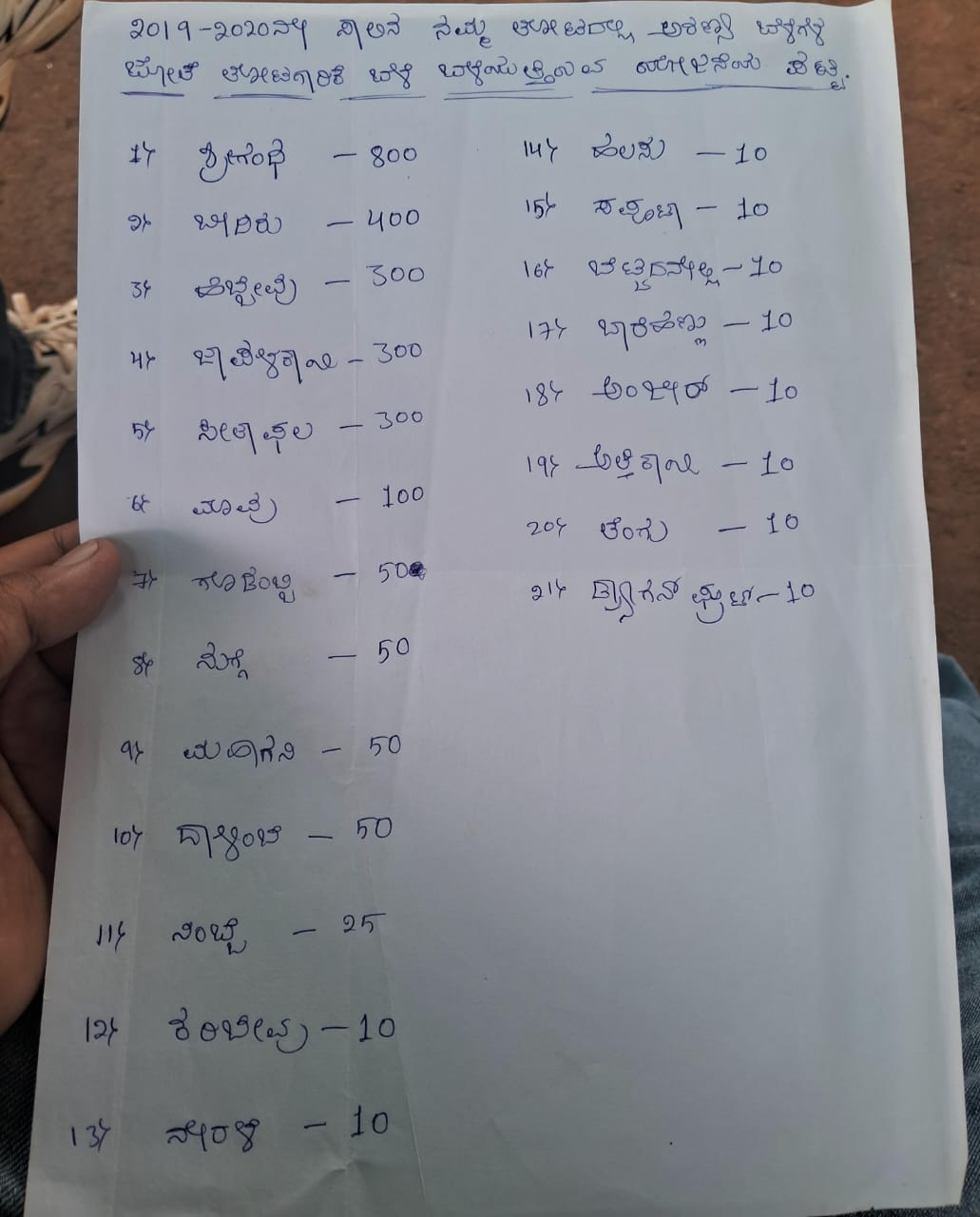
ಮೊಟ್ಟ ಮೊದಲನೆಯದಾಗಿ ನಾನು 2019 -20ನೇ ಸಾಲಿ ನಲ್ಲಿ 2000 ಸಸಿಗಳು ನೆಡುವ ಯೋಜನೆ ಹಮ್ಮಿಕೊಂಡೆ ತದನಂತರ ಯಾವ ಸಸಿ ಹಾಕಬೇಕು? ಯಾವ ರೀತಿ ಹಾಕಬೇಕು? ನಮ್ಮ ಪ್ರದೇಶಕ್ಕೆ ಯಾವುದು ಸೆಟ್ ಆಗುತ್ತೆ? ಅಂತೆಲ್ಲ ಗೊಂದಲಗಳು ಇದ್ದವು ಈ ಗೊಂದಲಕ್ಕೆ ಸಿಕ್ಕಾ ಪರಿಹಾರವೇ ಸಾಮಾಜಿಕ ಜಾಲತಾಣ ಇದರಿಂದ ನಾನು ಸಾಕಷ್ಟು ರೈತರ ವಿಡಿಯೋ ಗಳನ್ನು ವೀಕ್ಷಿಸಿ ಅದರಿಂದ ನಾನು ಕಲಿತಿಕೊಂಡೆ ಯಾವ ರೀತಿ ಹೇಗೆ ಸಸ್ಯ ಹಾಕೋದು ಯಾವ ಸೈಜ್ ಗೆ ಹಾಕೋದು ಅಂತೆಲ್ಲ ಕಲಿತುಕೊಂಡೆ ತದನಂತರ ನಾನು ನನ್ನ ಜಮೀನಲ್ಲಿ ಕೆಲಸ ಶುರು ಮಾಡಿದೆ ಸಾಲಿಂದ ಸಾಲಿಗೆ 10 ಅಡಿ ಗಿಡದಿಂದ ಗಿಡಕ್ಕೆ 12 ಅಡಿದಂತೆ ಗುಂಡಿ ತೋಡಲು ಶುರು ಮಾಡಿದೆ. ನಾನು ಆಯ್ದುಕೊಂಡ ಸಸಿಗಳೆಂದರೆ ಮೊದಲನೇದಾಗಿ ಶ್ರೀಗಂಧ ಅದರ ಜೊತೆಗೆ ಕಾಂಬಿನೇಷನ್ ಆಗಿ ಹೋಸ್ಟ್ ಅಂದರೆ ಮಾವು ಸೀತಫಲ ಜಾಪಳ ಮತ್ತು ನಿಂಬೆ ಹೆಬ್ಬೆವು ಈ ತರ ಎಲ್ಲ ಆಯ್ಕೆ ಮಾಡಿಕೊಂಡೆ ನಂತರ ಜೂನ್ ಜುಲೈಯಲ್ಲಿ ಸಸಿ ನೆಡುವ ಕಾರ್ಯಕ್ರಮ ಮುಕ್ತಾಯವಾಯಿತು. By - Raj Kunche
First of all, I planned to plant 2000 saplings in 2019-20. Then, which sapling should I plant? How should I plant it? Which one will suit my area? There were all kinds of confusions. The solution to this confusion was social media. From there, I watched a lot of farmer videos and learned how to plant, what size, and what kind of plants to plant. Then, I started working in my farm and started digging holes 10 feet from row to row and 12 feet from plant to plant. The saplings I selected were first sandalwood and then a combination of hosts such as mango, custard apple, and lemon. Then, the sapling planting program was completed in June-July.
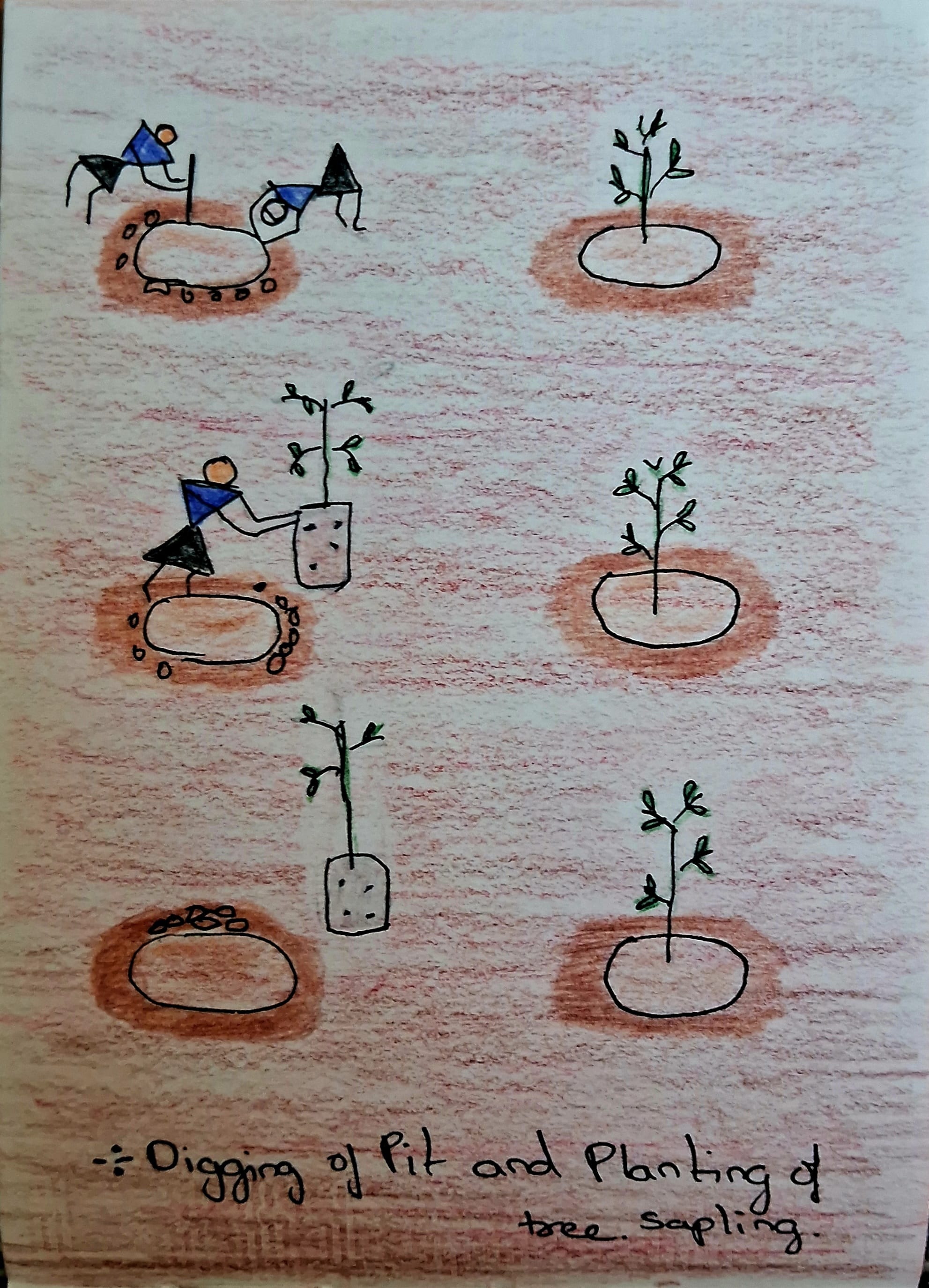
2020-21ನೇ ಸಾಲಿನಲ್ಲಿ ಅಂದರೆ ಸೆಕೆಂಡ್ ಇಯರ್ ನಾನು ಎಲ್ಲಾ ಸಸಿಗಳನ್ನು ಗಮನಿಸಿದೆ ಅವಾಗ ನಮ್ಮ ಜಮೀನಿನಲ್ಲಿ ಯಾವುದು ಚೆನ್ನಾಗಿ ಬರುತ್ತಿದೆ ಶ್ರೀಗಂಧಕ್ಕೆ ಯಾವುದು ಪೋಸ್ಟ್ ಆಗಿ ಚೆನ್ನಾಗಿ ಸಪೋರ್ಟ್ ಆಗ್ತಿದೆ ಅಂತೆಲ್ಲ ಗಮನವಹಿಸಿ ಮತ್ತೆ ರಿಪ್ಲಾಯಿಂಟಿಂಗ್ ಶುರುಮಾಡಿದೆ. By - Raj Kunche
In the 2020-21 season, that is, the second year, I observed all the seedlings. I started replanting them, paying attention to which ones were doing well in our field and which ones were supporting sandalwood well as posts.
2022-23 ನಮ್ಮ ತೋಟದಲ್ಲಿ ಎಲ್ಲಾ ಸಸಿಗಳು ಶ್ರೀಗಂಧ ಸಸಿ ಜೊತೆ ತುಂಬಾ ಚೆನ್ನಾಗಿ ಹೊಂದಿಕೊಂಡು ಬೆಳೆಯುವುದು ಗಮನಿಸಿ ತುಂಬ ಸಂತೋಷವಾಯಿತು. ಶ್ರೀಗಂಧಕ್ಕೆ ನೈಸರ್ಗಿಕ ಬೇಲಿ ಹಾಕುವ ಚಿಂತನೆ ಮೂಡಿತು ಆದ್ದರಿಂದ ಶ್ರೀಗಂಧ ತೋಟದ ಬಂಡಿಗೆ ಬಿದಿರು ಸಸಿ ನೀಡಲು ಶುರು ಮಾಡಿದೆ ಜೊತೆಗೆ ಕಾವಲಿಗಾಗಿ ನಮ್ಮ ದೇಶ ನಾಯಿಗಳು ಸಾಕಲು ಶುರು ಮಾಡಿದೆ. By - Raj Kunche
In 2022-23, I was very happy to see that all the plants in our garden were growing very well with the sandalwood plant. The idea of building a natural fence for the sandalwood came to mind, so I started plant bamboo seedlings for the sandalwood plantation area and also started raise desi breeds of dogs for guarding.
2023-24 ಸಾಲಿನಲ್ಲಿ ಹೈನುಗಾರಿಕೆ ಮತ್ತು ಕೋಳಿ ಸಾಕಾಣಿಕೆ ಹಾಗೂ ಮಿಶ್ರ ಬೇಸಾಯ ಮಾಡುವ ಯೋಜನೆ ಬಂತು ಅದು ಕೂಡ ಸ್ಟಾರ್ಟ್ ಮಾಡಿದೆ ನಾನು ಯಾಕೆಂದರೆ ಶ್ರೀಗಂಧ ಸಸಿ ಬರೋದು ಸುಮಾರು 15 ವರ್ಷ ಅಲ್ಲಿ ತನಕ ನಮಗೆ ಜೀವನ ಭಯಕ್ಕೆ ಏನಾದರೂ ಬೇಕಲ್ಲ ಅಂತ ಯೋಚನೆ ಮಾಡಿದಾಗ ಹೈನುಗಾರಿಕೆ ಮತ್ತು ಕೋಳಿ ಸಾಕಾಣಿಕೆ ಜೇನು ಸಾಕಾಣಿಕೆ ಇದನ್ನೆಲ್ಲಾ ನಾನು ಸ್ಟಾರ್ಟ್ ಮಾಡಿದೆ . ಈ ಮಿಶ್ರ ಬೇಸಾಯದಿಂದ ಬಂದಂತಹ ಗೊಬ್ಬರ ನಮ್ಮ ತೋಟಕ್ಕೆ ತುಂಬಾ ಉಪಯುಕ್ತವಾಯಿತು ಅದರಿಂದ ತೋಟನು ಚೆನ್ನಾಗಿತ್ತು ಈ ಎಲ್ಲ ವ್ಯತ್ಯಾಸ ಕಂಡು ನಾನು ತರಕಾರಿ ಬೆಳೆಯುವ ಪದ್ಧತಿಯನ್ನು ಸ್ಟಾರ್ಟ್ ಮಾಡಿದೆ. ಈ ಒಂದು ಮಿಶ್ರ ಬೇಸಾಯ ಪದ್ಧತಿಯಲ್ಲಿ ತೊಡಗಿದಾಗ ತೋಟದ ತುಂಬಾ ಸುಂದರವಾಗಿ ಆಯ್ತು ತರಕಾರಿ ತುಂಬಾ ಚೆನ್ನಾಗಿ ಬಂತು ಇದರಿಂದ ನನಗೆ ಆದಾಯ ಕೂಡ ಬರಲು ಸ್ಟಾರ್ಟ್ ಆಯಿತು. By - Raj Kunche
In 2023-24, there was a plan to do dairy farming, poultry farming and mixed farming. I also started it because I thought that we would need anything for our livelihood until the sandalwood saplings come in about 15 years. I started dairy farming, poultry farming, beekeeping. The fertilizer from this mixed farming was very useful for our field, because of which the field was good. Seeing all this difference, I started to grow vegetables. When I started this mixed farming system, the field became very beautiful and the vegetables came out very well, which also started to generate income.
ಇವಾಗ 2025 ನೇ ಸಾಲಿನಲ್ಲಿ ಕೂಡ ನಮ್ಮ ಈ ಒಂದು ತೋಟ ಜೊತೆಗೆ ಮಿಶ್ರ ಬೇಸಾಯ ಪದ್ಧತಿ, ತೊಡಗಿಕೊಂಡು ಜೀವನ ಸಾಗಿಸುತ್ತಾ ಇದ್ದೇವೆ ಇದರಿಂದ ನಮಗೆ ಬಹಳಷ್ಟು ಪ್ರಯೋಗನ ಆಯ್ತು ಜೊತೆಗೆ ಸಂತೋಷವಾಯಿತು ಆದಾಯವನ್ನು ಬಂದು ಹಾಗಾಗಿ ಈ ಒಂದು ಕಾರ್ಯಕ್ರಮ ಇನ್ನೂ ಮುಂದುವರಿಸಿ ದೊಡ್ಡ ಪ್ರಮಾಣದಲ್ಲಿ ಮಾಡುವ ಗುರಿಯನ್ನು ಹೊಂದಿ ಕಾರ್ಯಗಳು ನಡೆಸುತ್ತಿದ್ದೇವೆ. By- Raj Kunche
Even now, in 2025, we are living our lives by engaging in mixed farming in our field. This has given us a lot of experience and has brought us happiness and income. Therefore, we are working with the goal of continuing and doing it on a large scale.
Along with agro-forestry and olericulture he has small diary with 4 murrah buffaloes, goat unit, free ranging desi chickens sourced from his kamthana village, one cow and a pair of rabbits. He has used small parcel of his land for fodder where he grows Napier grass for his livestocks.
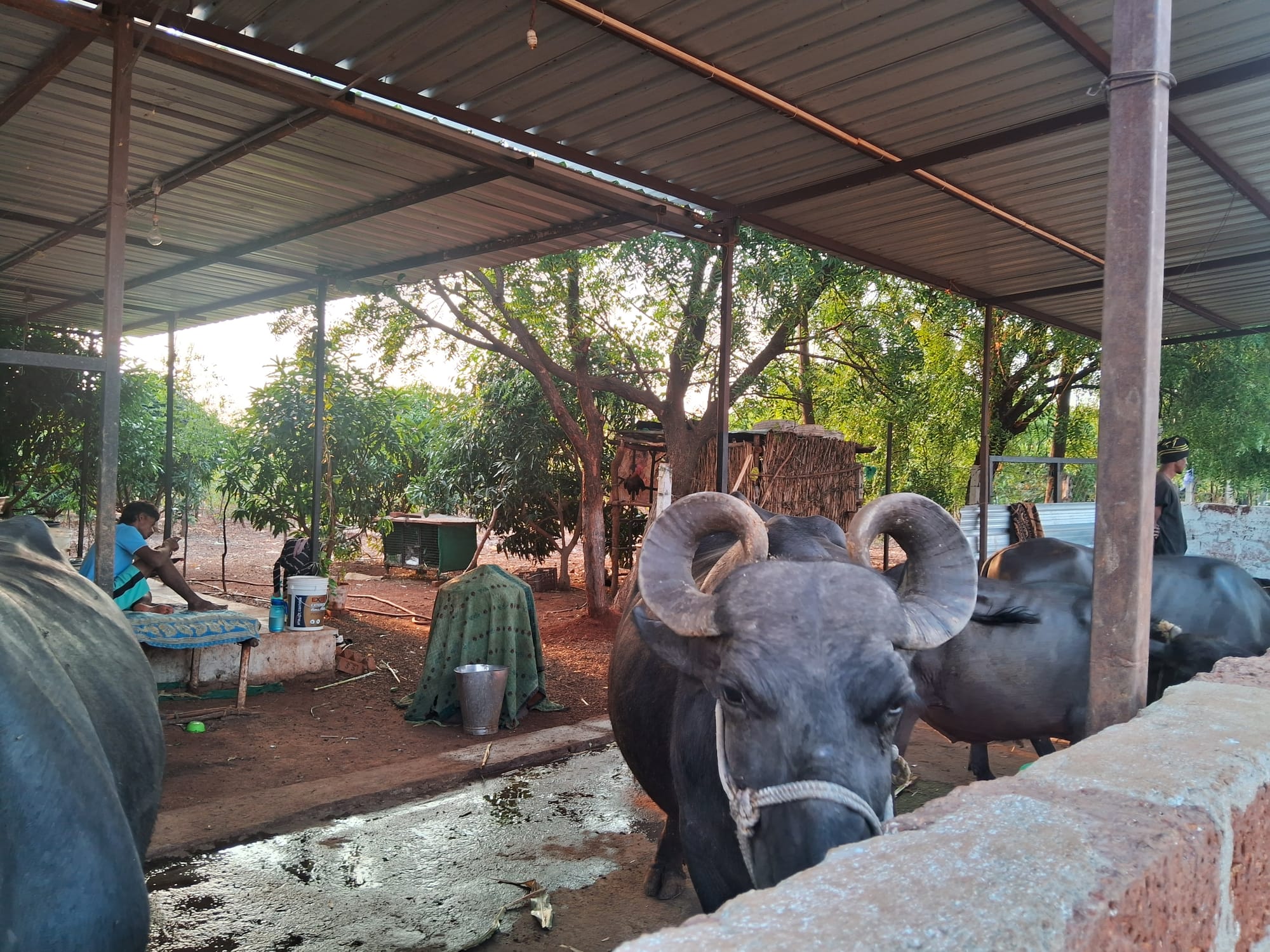
What are the native breeds of Buffaloes?. What are the reasons for not being used in diary?.
Ecological, Sociological and Technical Observations shared by Raj Kunche..
Pehle Banjar zameen tha ab prani, pakshi aur log ana chalo hogaya hai. Why Open Lands are considered Banjar?. Reasons kya hai Banjar banane ka?. After visit and interaction in our farm by farmers from different areas, Ten farmers have adopted same technique and farming system in their farms. Till today many students, officials, people from different walks of life of Bidar district and different districts have visited the farm.
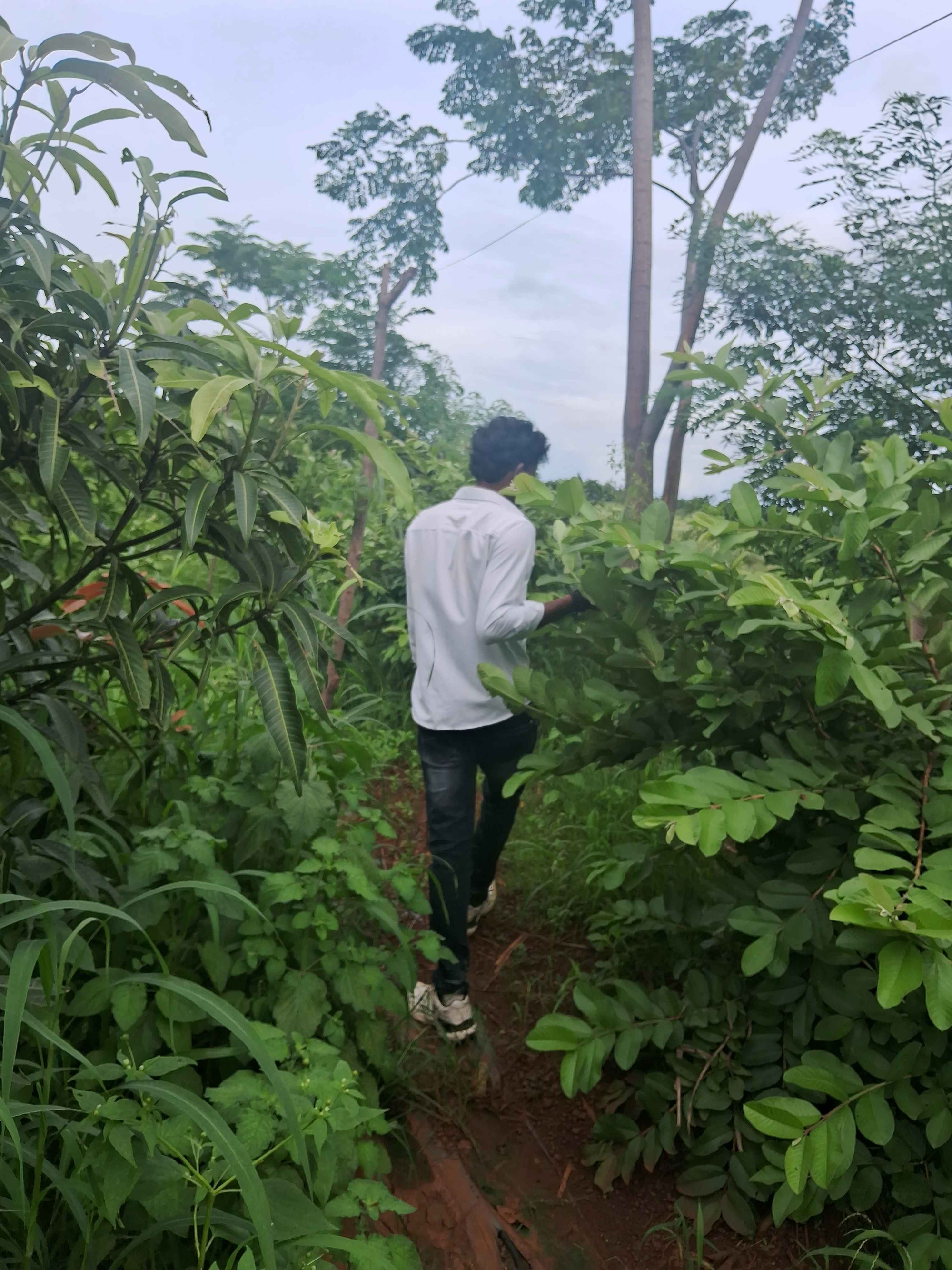
His happiest movement at his farm was when, a bird started to build the nest. And slowly beehive started to come up in his farm. He says Tudu Jenu beehive has started to increase in his farm. He started to see some visible changes in his land and soil. Earthworms started to be visible and saw their movements in soil. Land become fertile and soil becomes loose and water started to seap into ground. Slowly animals started to explore the and birds came to taste the fruits and indirectly manage the pest. Weather in our farm is cool from surrounding area, before farming we used to come farm for half day and then go back to village, as weather was not suitable in early years of farm. From our grandfather times, now its cooler and we can stay for longer time and can stay for 4-5 days at our farm.
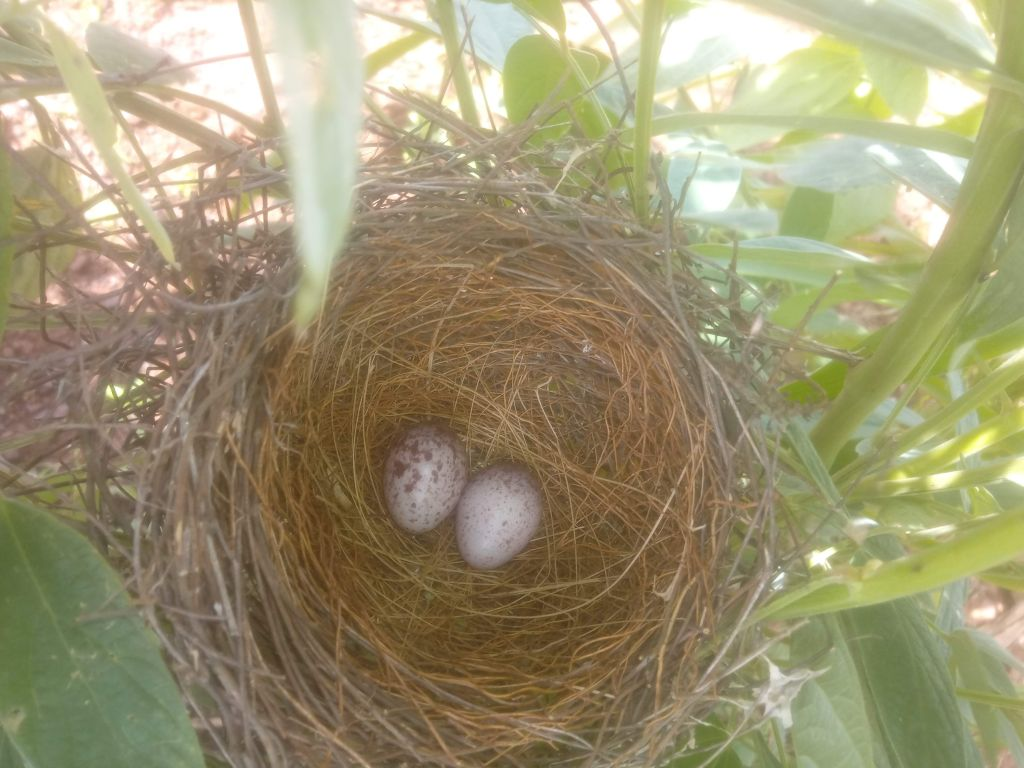
One observation shared by Raj related to sandalwood that even native neem tree can be a good host for sandalwood. Here, generally Hebavu and Casurina are refered as host plants in Sandalwood. A local species as host plant will be beneficial for many farmers as it reduces input cost. Sandalwood is parasitic in nature, for growth and nutrition it needs a host plant. The roots of Sandalwood makes connection with the roots host plant and draws nutrition from it. The planting distance between host and parasite plant needs to be not more than 6ft. From bird droppings many sandalwood tree have grown across the farm and in grasslands observation shared by Raj.
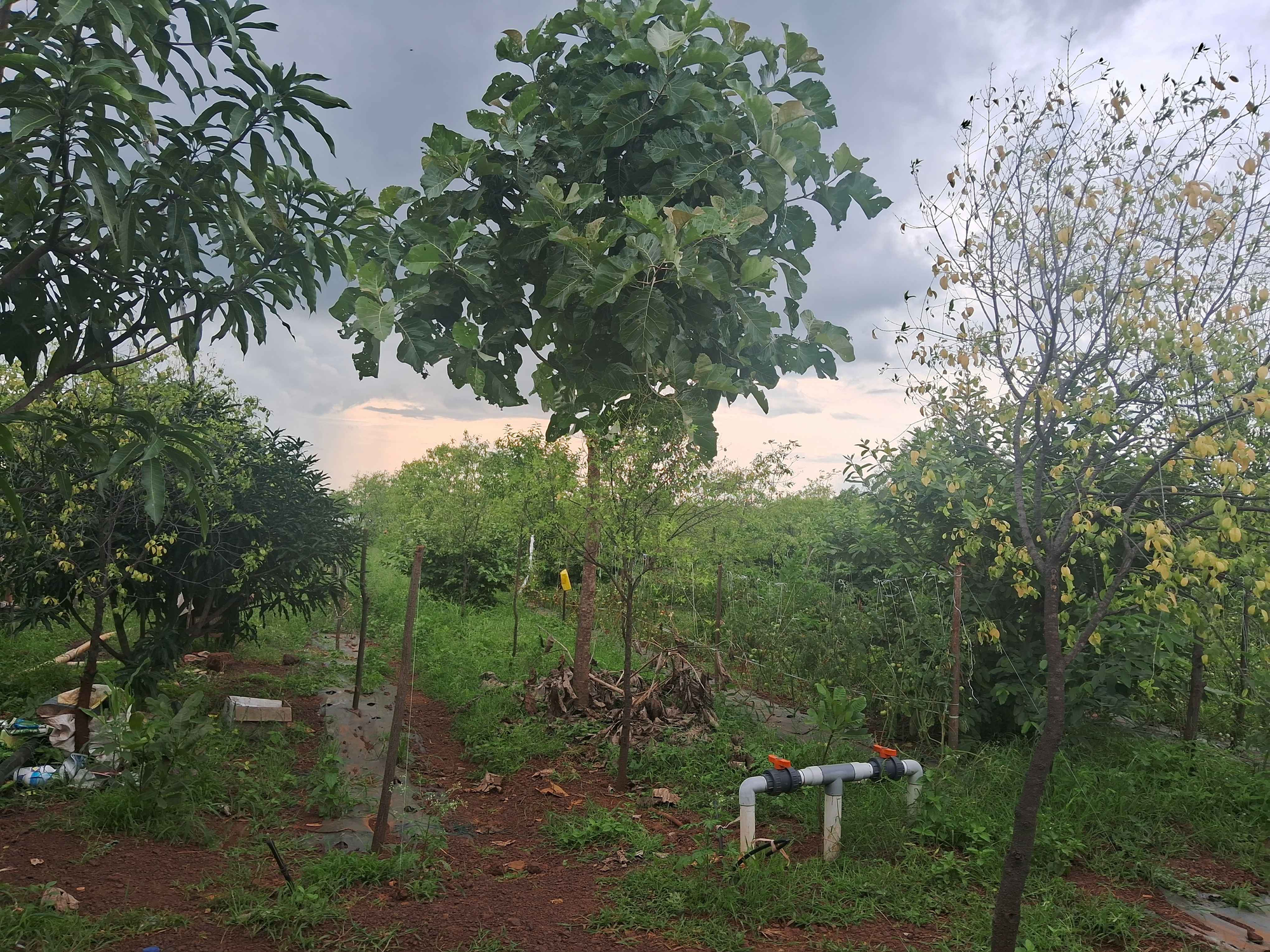
t is like giving back to nature, nature gives us so much. In this Raj feels contributing 1 percent back to nature. Everyone should do planting Ek acre toh planting karna chahiye if you have ten acre you do plantation in minimum one acre to increase green cover.
This development pushed him to build small room at his farm, where he stays with his wife and daughter. He rarely goes to Kamathana house. He travels to town just to give Karate training at govt residential schools and to attend functions and shopping.
His farm is not fenced he has used bio-fencing (Bamboo) and a pack of 20 Desi Dog gaurd his farm. At initial years they were troubles from Wild Boar and Black buck but over the years the damages from Wild Boar and Blackbuck is reduced drastically. Due to presence of Dogs, here Raj mentions them as Huligalu (Tigers).
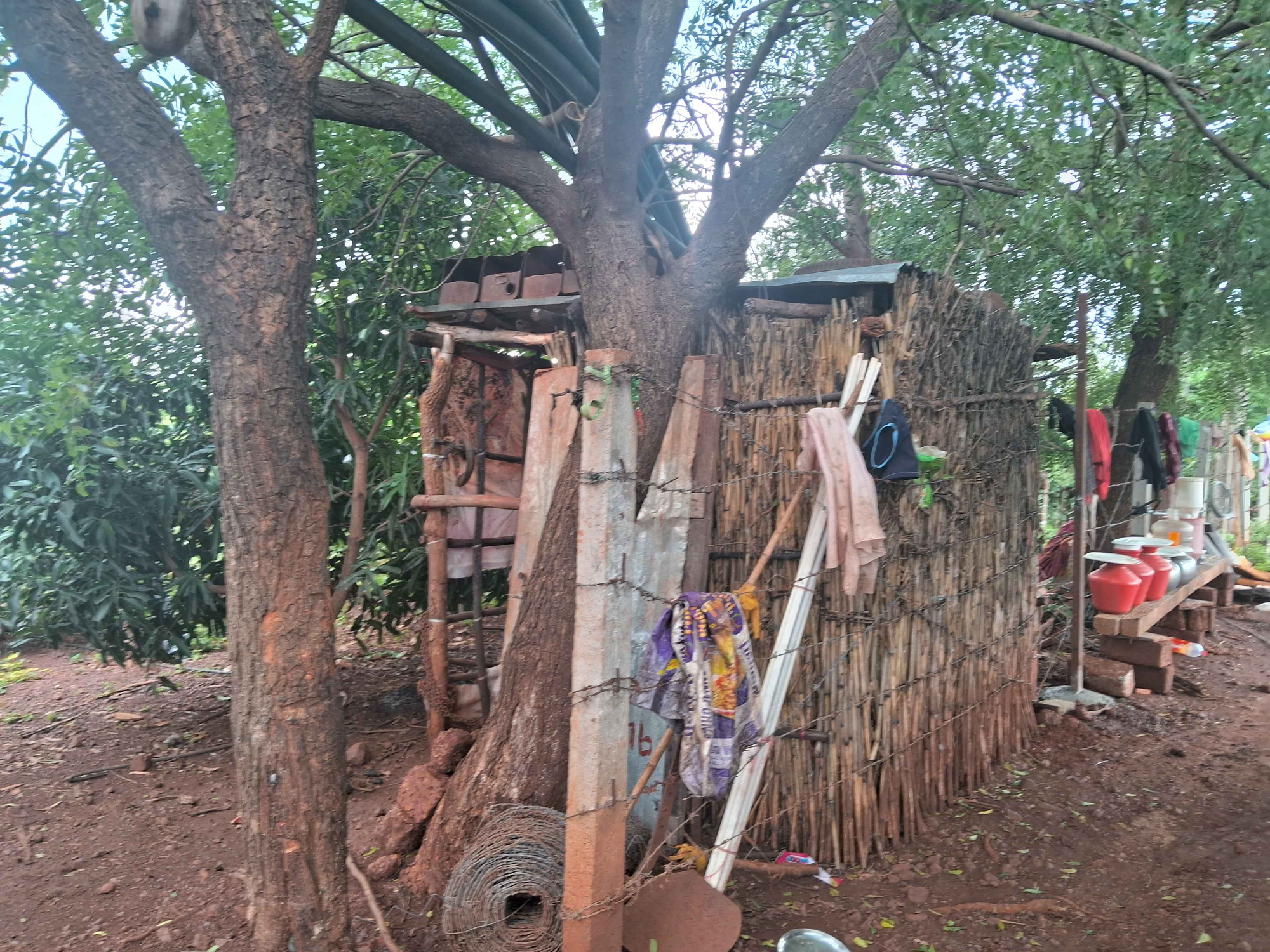
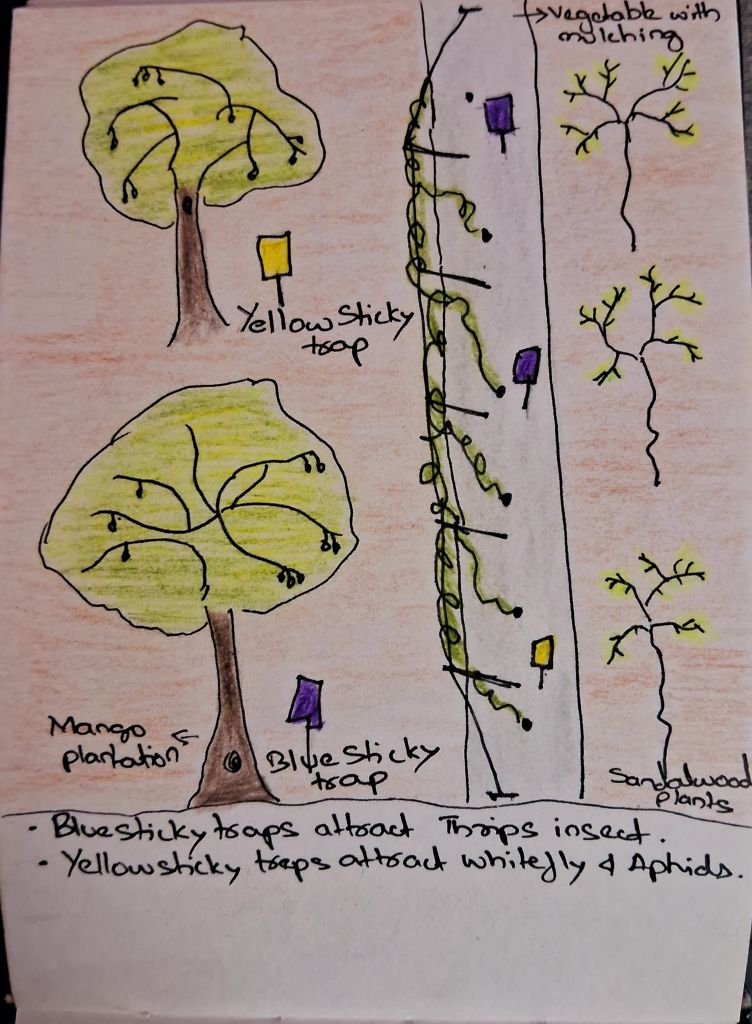
Raj follows both organic and inorganic methods at his farm. He has vermicomposting unit and a Jeevamrutha unit at his farm. For irrigation currently he has adopted drip irrigation system in his four acre farm. In olericulture to manage pest he uses inorganic chemicals, sticky traps- (a mechanical way of managing pest) like blue and yellow sticky traps to manage pest and diseases. What is the way forward fully organic or mix of organic and inorganic?
“He mentions that farming is future. He feels sad and worried when seeing agriculture lands being converted to residential layouts.” Reasons for land being converted to layouts?
Agroforestry- A way to build resilience in Climate Change?
Agroforestry is combination of agriculture field crops or olericulture and forestry trees. During conversation with farmers I get to hear that earlier our farm lands were covered with native tree species. But post push of western agriculture techniques by farm universities or extension unit across the country farmers started to clear out trees from their plots. Farmers started to see trees as hindrance like affecting croping area and causes allelopathic effect on field crops. When we see agroforestry as a larger component in agriculture it has many beneficial effect on crop production, climate and farming community. Agroforestry is also beneficial to other subsidaries linked to agriculture both directly and indirectly, for example Pasturalist community. How we moved from mixed farming to monoculture?
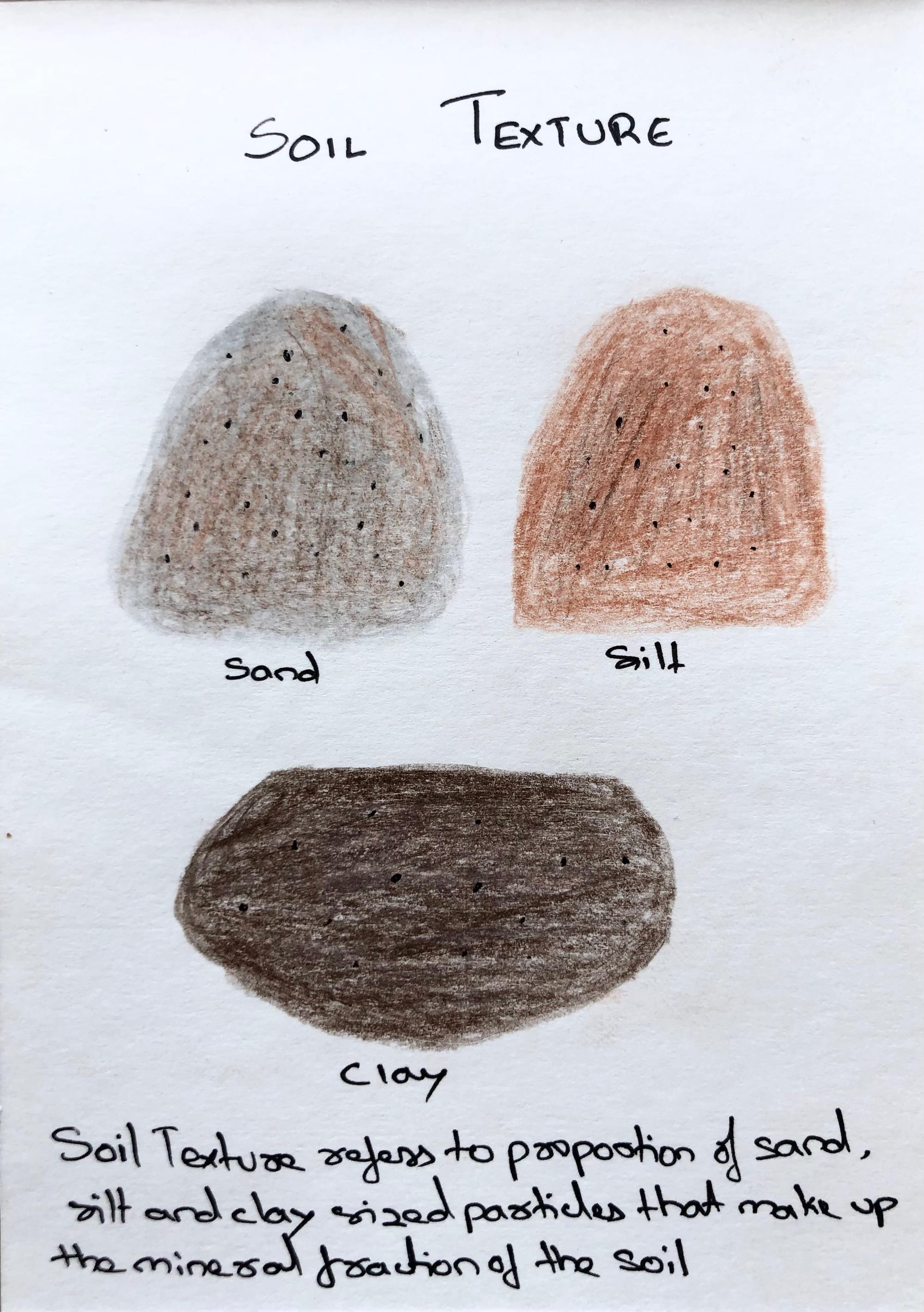
Agroforestry helps in maintaining the micro climate of the soil. Microclimate consists of micro flora and micro fauna eg: Fungi(mycorrhiza and saprophytes),bacteria(Phosphorus Solublising Bacteria) and soil building Arthopods. A good microclimate helps in improving soil organic carbon (SOC) and Organic Nitrogen which in return benefits in nutrient uptake and making nutrient in available forms to the plants, improves water holding capacity and maintaining soil pH and Electric Conductivity (EC).
Agroforestry helps creating and maintaining separate ecosystem. Agroforestry bring backs birds, insects, butterfly, moths.Due to agroforestry wildlife starts its movement in the area and its surroundings. Let’s see, how trees benefits ?. Trees in the field provides place to build Nest and hangout place for birds. The birds in return manages the insect population in field, helps in pollination of the flowers and same with insects, birds one of the medium for dispersal, presence of birds indicates in the field indicates balanced ecosystem.
Cover tree canopies help in regulating the sunlight penetration, which indirectly regulates the temperature of the area and creates a shaded area in the field. Many farmers consider shaded area by trees as loss, as growth of crops is reduced under the shade. Here farmers can grow shade loving crops, vegetables and flowering plants. Recent studies suggest that agroforestry helps in sequestring Carbon from air into the soil, which helps in mitigating green house gases. Presence of four Honeybee box at his agroforest farm is added advantage like there is good pollination of the fruit trees and vegetables flower. Good pollination improves yield and increase farmers income. Added source of income to farmer by selling raw and natural honey.
Some of the observations shared by Raj related to agroforestry are like, at starting land was very hard and it was difficult to cultivate. But over the years and after agroforestry thing started to take grip in the field, the soil texture and structure improved. Soil became fertile and in cultivable form. He happily says that agroforestry has brought back wildlife like Peacock, Blackbucks and Grassland birds and butterflies in his farm. Wildlife come to his farm to take shelter which makes him happy.
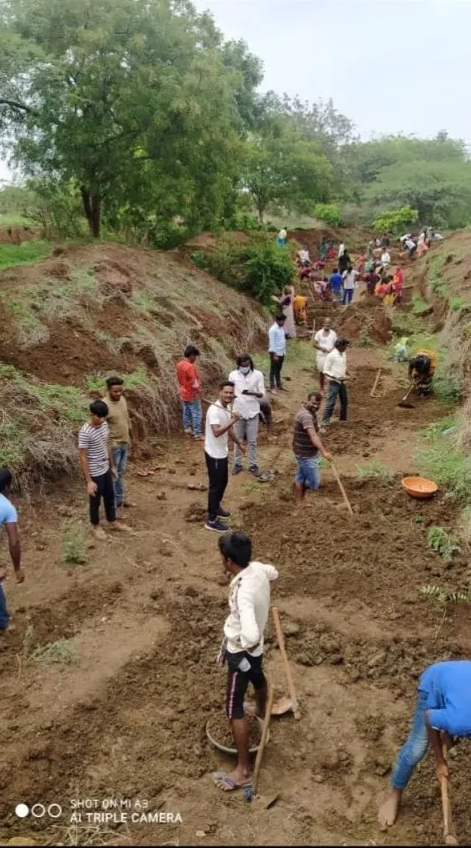
Work of Buddha Basava Ambedkar Youth Group.
MGNREGA main agenda is to provide works to people from the villages, for the works of the villages. But close aide of local representative take work and use machineries to complete the work and utilise funds without reaching it to the end beneficiaries. Trust stopped this malpractice and residents of the Kamathana got the work. This initiative was appreciated by community members. During Covid graduates who came back to kamathana, they also worked under NREGA scheme. Graduate being part NREGA work was covered by many news daily.
The trust also acted as Covid wariors during lockdown. Health camps also organised for NREGA workers during covid. Distributed ration kits to labours directly to their houses , which was being given by the labour department. During covid people were hesitant to come outside of their houses, through their trust they visited each house collected details about ration card and keeping track on any issues they are facing, these details and concerns where being updated to govt officials on regular basis and all the issues or concerns were being addresed.
Awareness and trainig programmes were conducted to youths from different villages like Mirzapur, Kashempur about government schemes, subsidies and programmes. Idea was that the, trained youths creating awareness and training programmes in their villages. Its like chain link/reaction Raj mentions.
The organisation is not active now. But he has plan to revive and expand across the Bidar district in coming days. Self sustainance will indirectly revive the trust. Any grievances brought by any communities, our organisation will provide support to the communities Raj mentions. For example farmers bringing any issues or unawareness of any schemes or subsidies, the trust is providing support and awareness.
“Trust was formed by like minded friends”
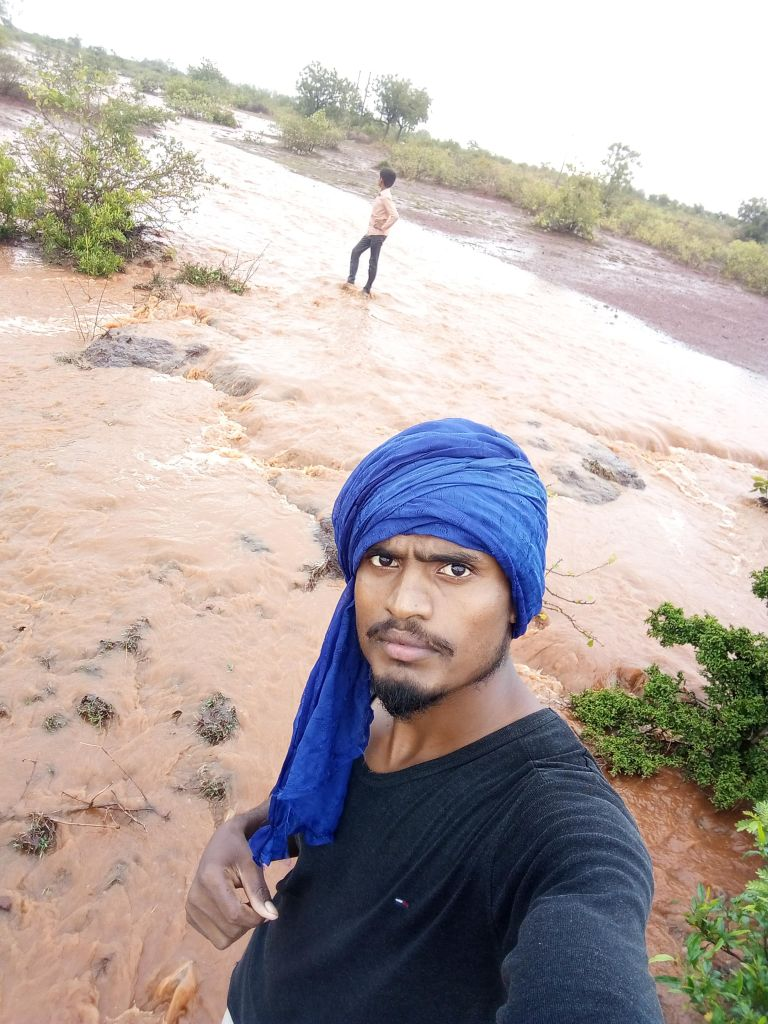
If I was in Bangalore I would have been earning 45k but, no one would recognise me, here everyone recognize my work. People from different background have appreciated my work and given awards. Farming has brought me name and fame. responsibility has increased. Raj kunche mentions that in future he wants to develop his another 4 acre land parcel which is nearby. He plans to plant Mango, Hebavu, Mahgony and build a fishery pond. Reason for building fishery pond is that during monsoon thousands of liter water flows from his farm for that he plans to build small pond across the stream and hold the water and do fishery and utilize that water for irrigation. he has already traced the path. In new farm he plans to plant 1500 plants same as in current farm.
Till now we have not taken any monetary returns from the farm. The fruit yield is distributed among family, friends and birds have enjoyed- Santram mentions.
Raj Kunche is also a trained in Martial Arts. From June to December he trains Martial Arts in different government residential schools in Bidar. Raj is observant and curious in nature. One incident I would like to mention about his observant nature, he narrates that a small Dabri near his farm when it is filled during rainy season, it helps in recharging his borewell at his farm.
In our last conversation he mentioned that he is planning to expand his free ranging poultry. Currently he has some twenty desi poultry birds at his farm. He mentions that these desi poultry birds are low in maintainance, they feed on insects by roaming around the farm and at night they sleep on neem trees. So, Raj is planning to build fence around the farm and leave some 1000 poultry bird in the farm. Currently desi birds fetch him some good cash and people come to his farm to buy the birds. Most of farm produce are directly bought from his farm and sometime customers place order of the produce on whatsapp or through short phonecalls. Raj Kunche has not much issues with marketing.
After continuous visits and interaction with Raj Kunche, it reminded me of a book named One Straw Revolution by Masanobu Fukuoka.
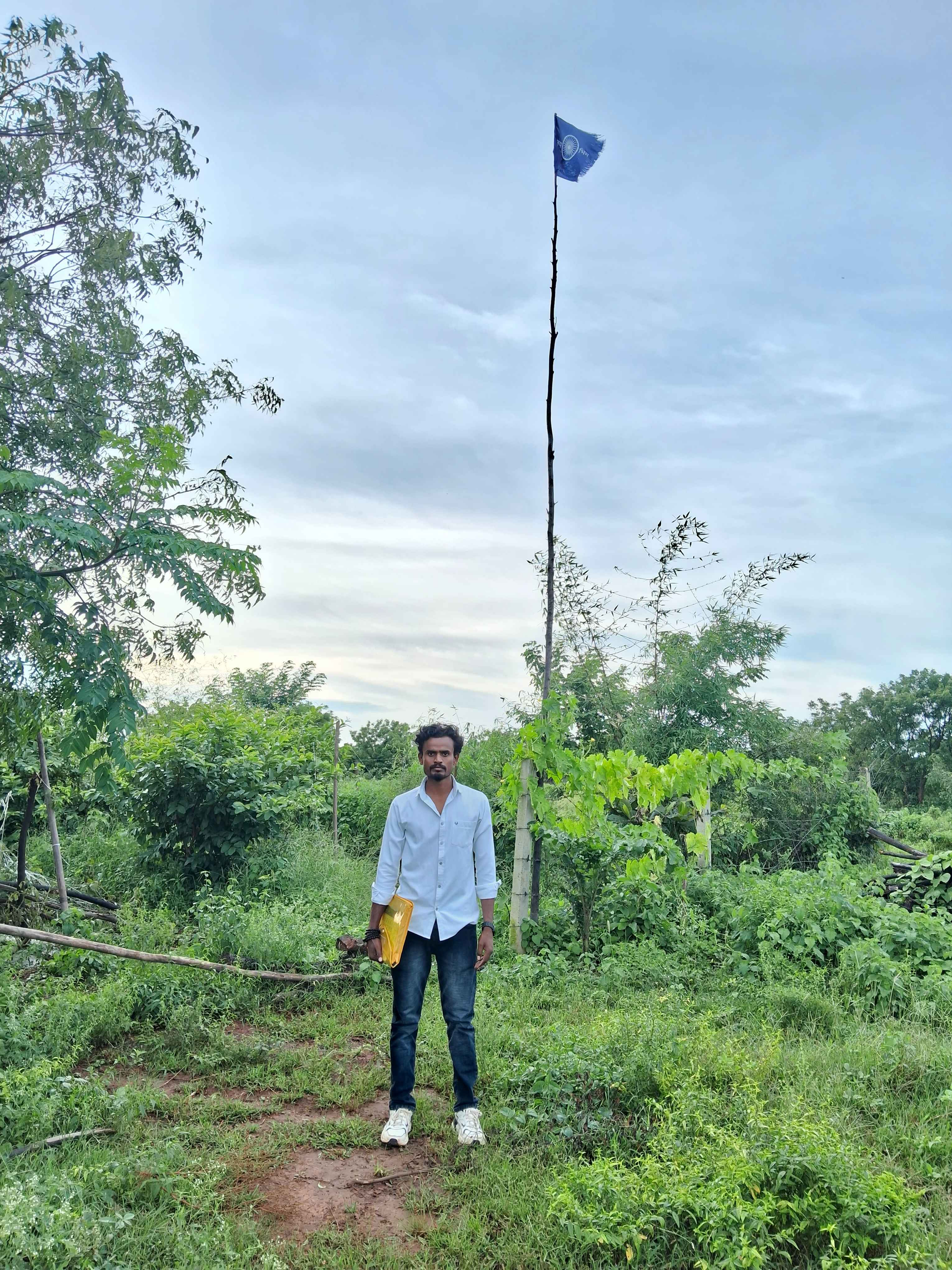
He has named his farm as OM kunche farmhouse in memory of his elder brother. Who died in a road accident. He mentions, it was his idea and dream of farm and farmhouse which he has been developing.