Yellu-Amasi...
Yellu Amavasya (also known as Ellu Amavasya) is a significant festival observed on the new moon day in the Margashirsha month (December-January). It's a thanksgiving ceremony to Mother Earth for a good harvest, particularly among farmers in Karnataka and parts of Andhra Pradesh. This year, it falls on December 19, 2025.
In the heartland of Bidar, Latur, Telangana and surrounding regions, a timeless tradition flourishes, binding farmers to their land with threads of devotion and hope. It is an agrarian practice woven into the very fabric of their lives, a yearly festival dedicated to Mother Earth, in fervent prayer for abundant and prosperous yields.
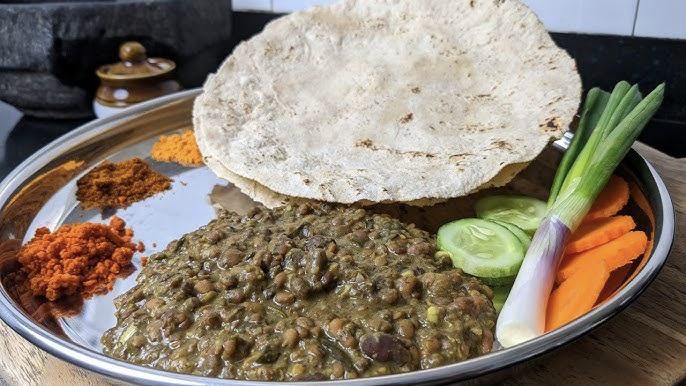
The air hums with anticipation the day before the festival. Women, with practiced hands and joyous hearts, immerse themselves in preparing a lavish feast. The star of this culinary celebration is "Aware kaalu (field bean) Bhajji," a delectable vegetable dish crafted from green vegetables, gram flour, and field beans. Alongside this, special soaked sorghum rice, rich wheat pudding, and a tangy kadi (a thick, sour drink made from buttermilk) are meticulously prepared.
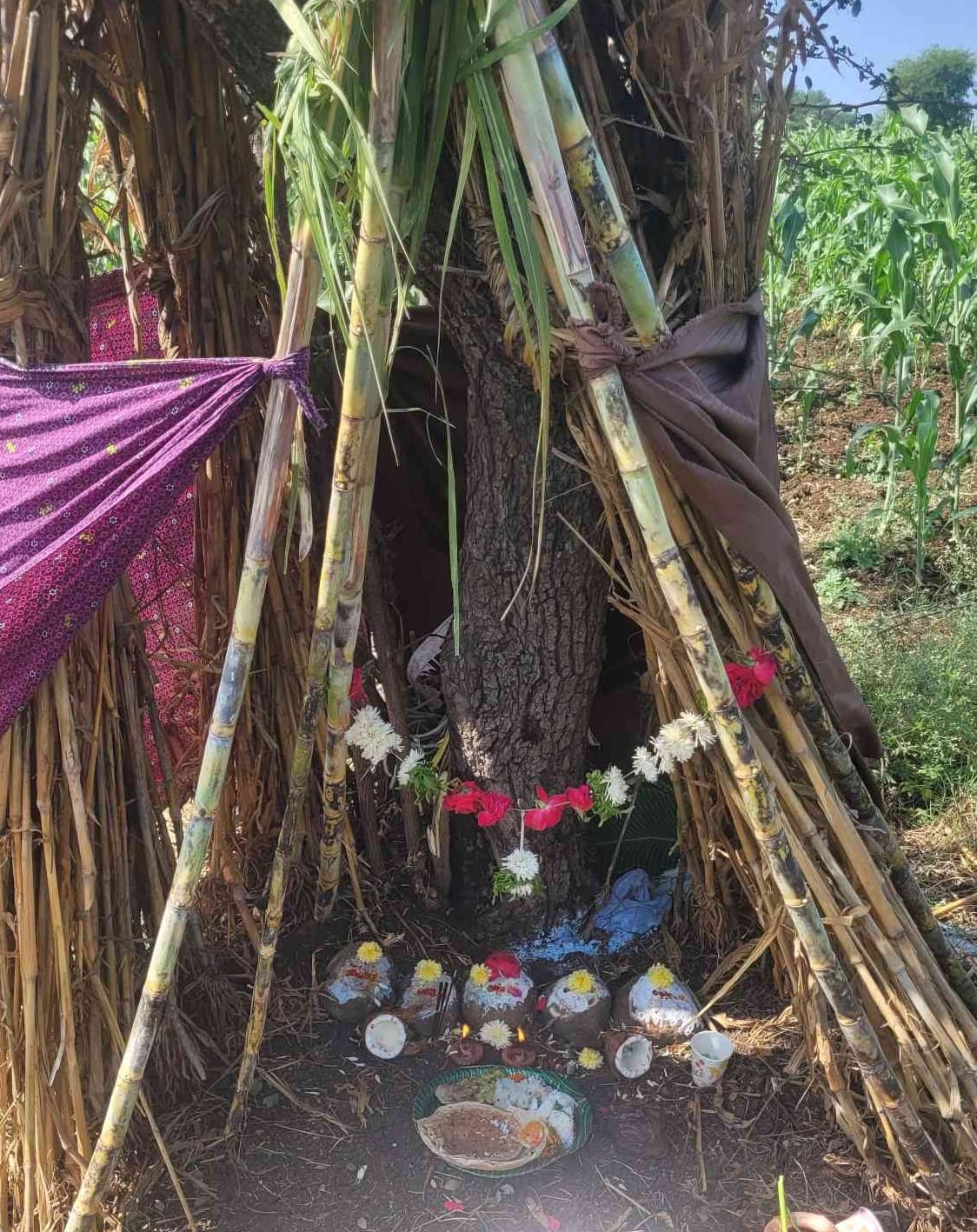
The women tirelessly prepare the feast, often singing beloved local folk songs that echo through the night, the men embark on their own sacred task. A day prior, they venture into the fields to construct a small, rustic hut fashioned from sorghum straw, secured with ropes. Within this humble abode, an earthen pot filled with water is reverently placed, an offering of respect before they return home.
Dawn breaks on the festival day, and every member of the household bathes and don’s new clothes, their hearts filled with devotion. A beautifully decorated basket, intricately woven from special palm wood or bamboo, becomes the vessel for the prepared offerings: sorghum bread, rice, kheer, vegetables, and milk, all meticulously arranged for the puja (worship).
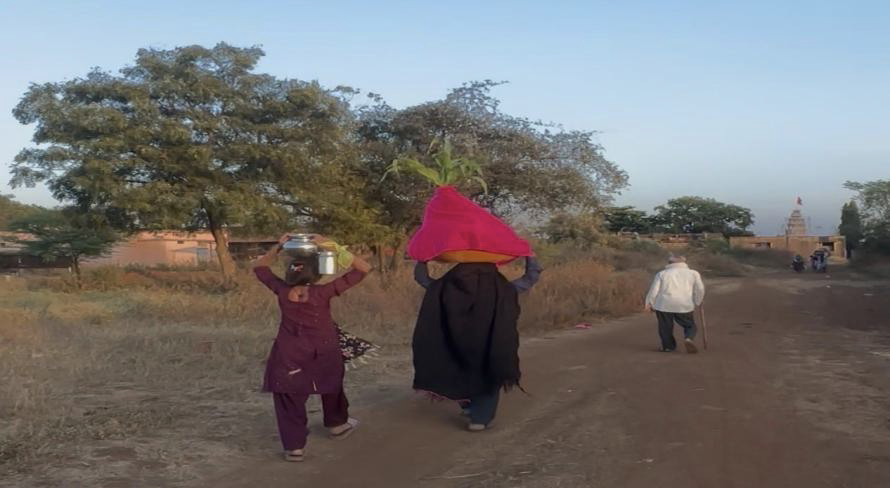
The procession begins with the head of the household leading the way, the sacred basket balanced upon his head, cloaked in a blanket of goat's wool. His wife follows, a pot of sour substance upon her head, while other family members trail behind. Small children, nestled in a bullock cart, complete the procession. While this tradition strives for continuity, the demands of modern life sometimes see families opting for motor vehicles or cars due to the changing stamina of the younger generation.
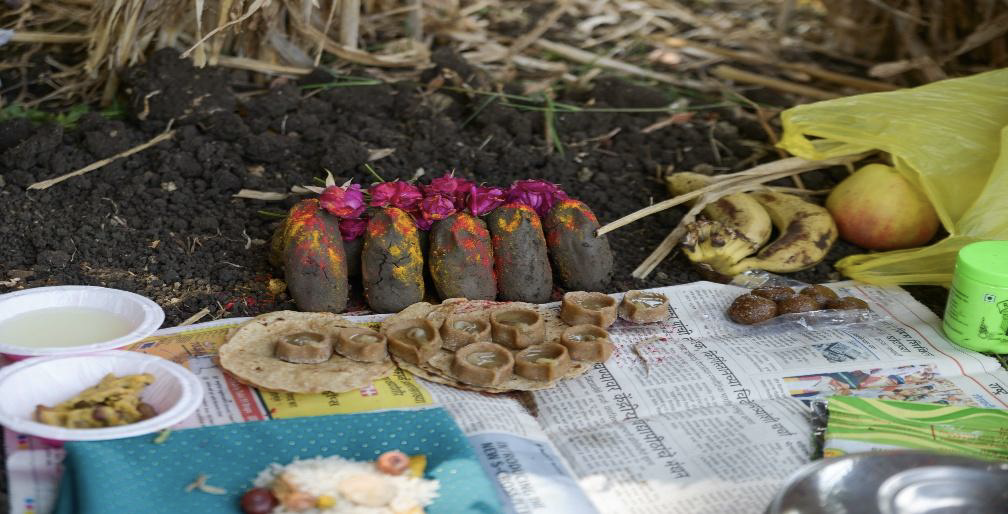
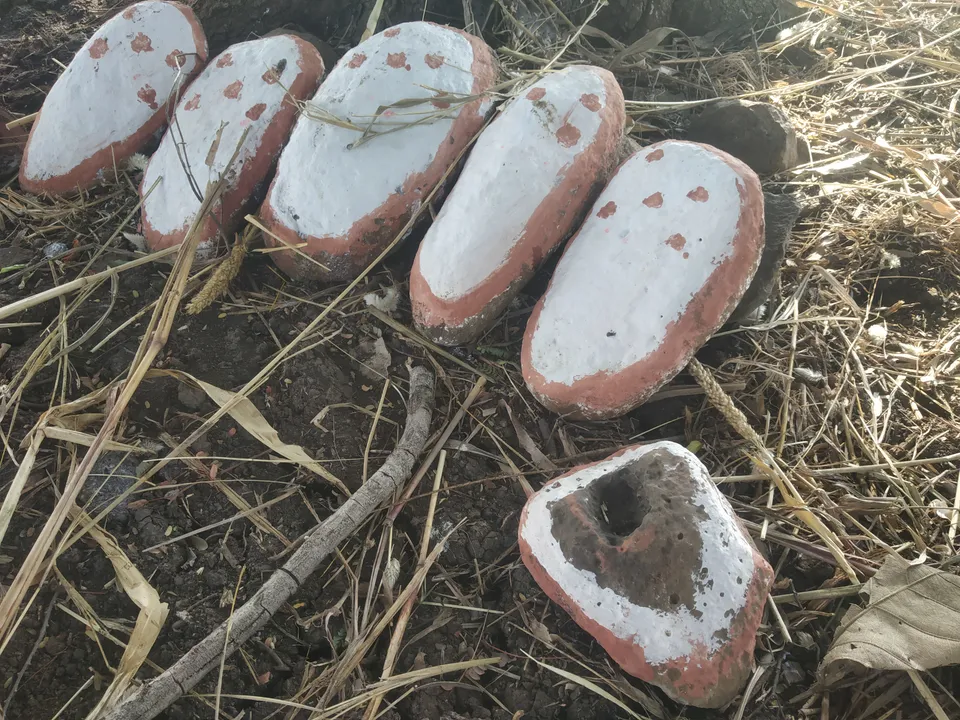
Upon reaching the field, all converge at the hut. The basket is gently lowered from the head of the household. The woman of the house then takes soil from her field, mixes it with water, and shapes five oval pieces, representing the five Pandavas: Yudhistir, Bal Bheem, Arjuna, Nakula, and Sahadeva. Sour buttermilk and cooked jowar rice are poured into a small earthen pot and placed within the hut, this pot symbolizing the revered Goddess Mahalakshmi. The clay an earthen plate, the various food offerings are mixed. After the worship within the hut, it is time to honor Mother Earth and the bounty of the fields themselves. Two family members undertake this sacred task: one holds pure water, the other the mixed food offerings. They walk the perimeter of the entire field, chanting "Olghe olge challam pol ghe, “mean all the sacred foods for you take it and bless us with good yield’’ sprinkling the offerings and water as a profound act of dedication.
With their task completed, they return to the hut to pay respects to Goddess Lakshmi, joined by all other family members. Afterward, everyone gathers outside the hut to share the meal, a symbol of communal harmony and gratitude.
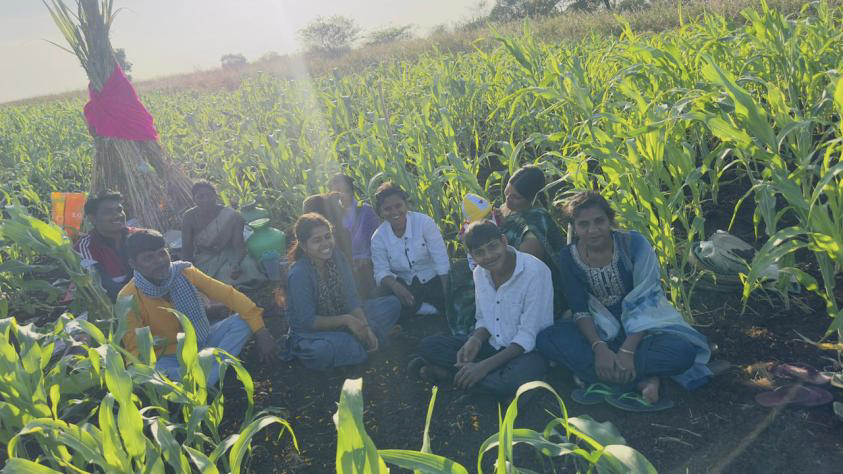
As the day progresses, the women, weary from their night-long preparations, find respite in conversation while the children joyfully play on swings. Neighboring farmers arrive, sharing food and camaraderie, strengthening the bonds within the community.
After getting milk boiling over all members will start getting back to home
while coming to home a special paragola like structure will be create by using field crop like jowar and it will cover with a pink colour blouse piece inside it they will put a small lamp and start return journey towards home when they enter in the village first they go for a temple of their area and there they keep down their basket they do pooja in that temple and then they go to home. after around 7-8 pm men will go to field They burn the sorghum stalks and walk around the entire field with the burning stalks. his is considered an offering Aarti to the field/crop, and the festival is concluded with this offering.
The festival involves preparing special dishes like Awarekaalu Bhajji and worshipping the Pandavas and Goddess Lakshmi in a sorghum straw hut. The community shares a meal, strengthening bonds and expressing gratitude. The celebration symbolizes the farmers' sacred connection with nature and hope for prosperous yields.